
As fashion e-commerce gets more competitive, adding a virtual fitting room is the fastest way to stand out. Antla is a well-known tool, but how does it compare to RealityTry? When evaluating fit-tech, merchants must look at three criteria: user conversion, setup simplicity, and cost predictability.
Drape Realism and Pattern Preservation
A frequent issue reported by Antla users is the loss of print detail on complex garments. When a custom floral dress or vertical stripe shirt is processed by Antla's engine, the resulting image often blurs the patterns or stretches the textures unnaturally across the body. RealityTry's neural drape models are specifically trained to preserve fabric fidelity, ensuring complex weaves, prints, and metallic details stay sharp and photorealistic.
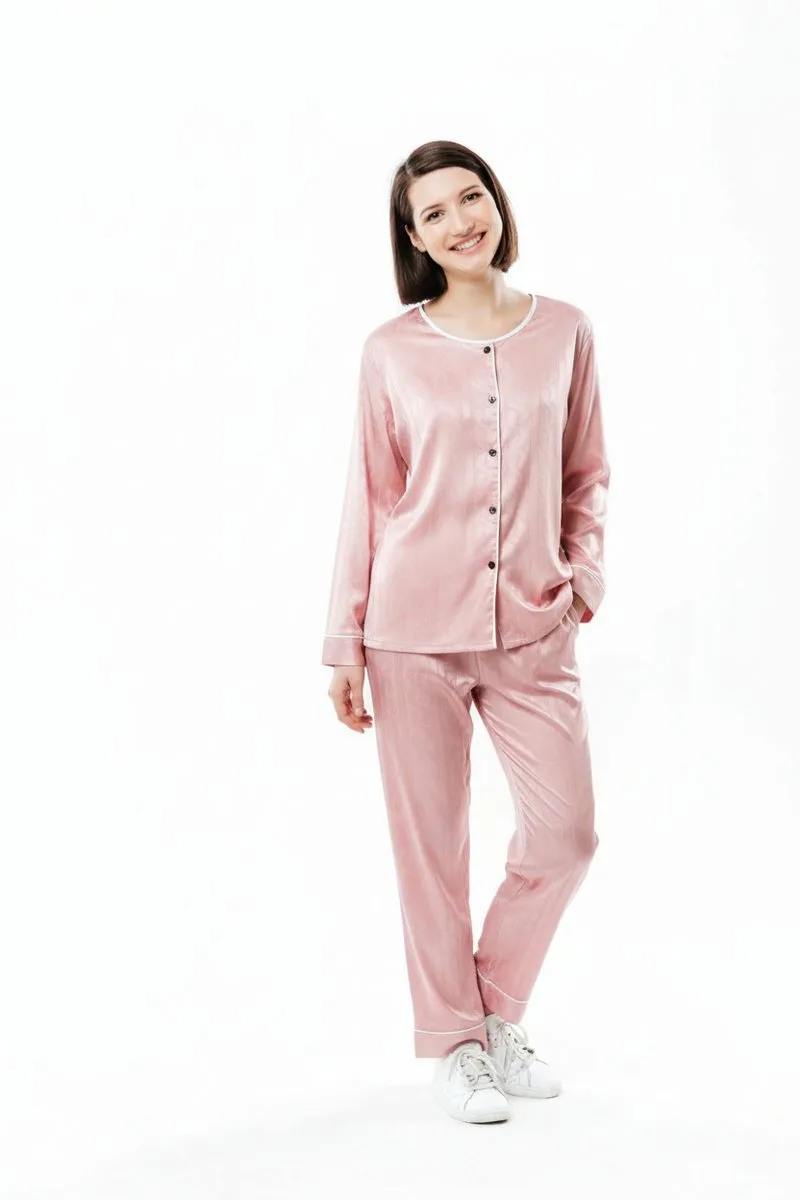
Original Shopper Photo
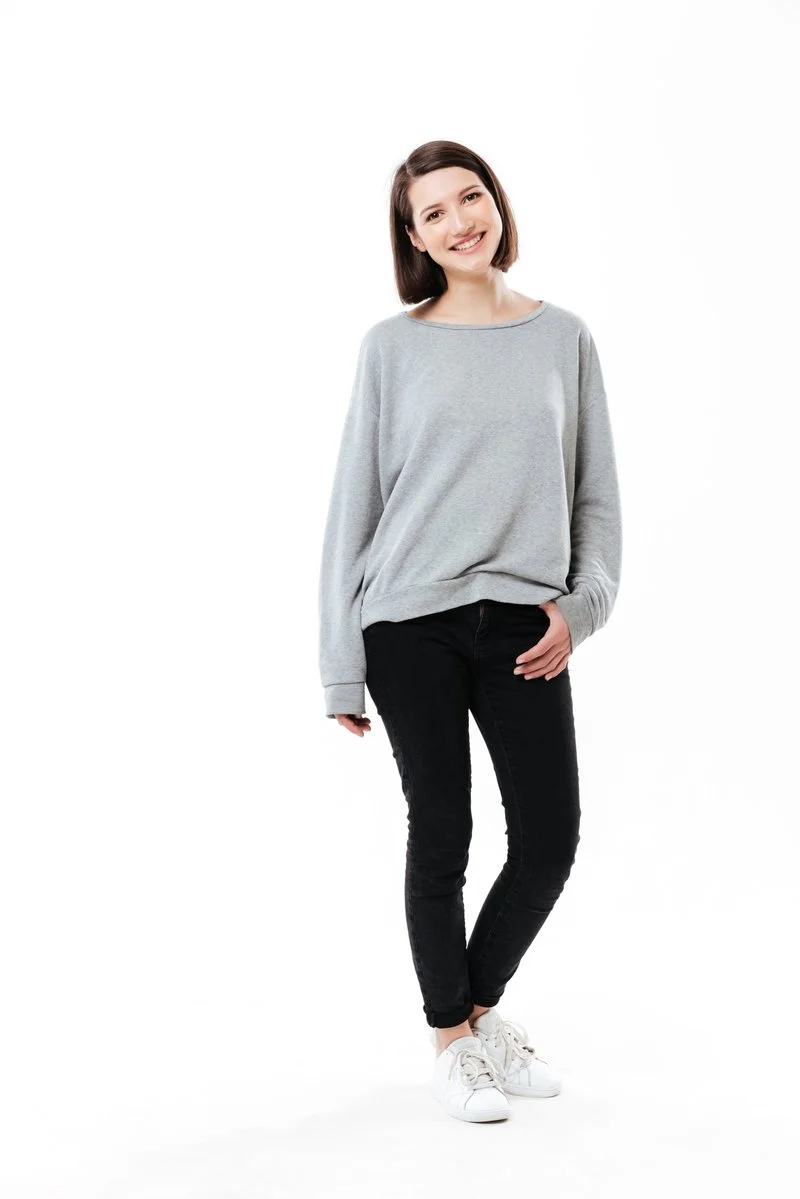
RealityTry AI Try-On Result
RealityTry vs Antla Comparison
| Criterion | RealityTry | Antla |
|---|---|---|
| Drape Realism | High (Preserves fabric print, pattern, and texture) | Medium (Prone to pattern blurring & texture loss) |
| Integration | 60-second native OS 2.0 app block | Often requires manual code installation support |
| Mobile Widget | Fully responsive, optimized swipe gestures | Less responsive widget layout on older mobile devices |
| Billing Safety | Overage spending limits and budget cap features | No overage cap (uncontrolled cost growth) |
Antla requires inserting theme Liquid files to configure the widget display, which can result in conflicts with existing plugins. RealityTry leverages native Shopify OS 2.0 Theme Blocks, permitting you to drag, drop, and configure positioning directly within the Shopify Customizer. Furthermore, Antla's pricing features no billing overage cap limit controls, which can lead to unexpected budget spikes during peak holiday traffic events. RealityTry offers simple capping controls, protecting e-commerce operations. You can model your potential return logistics savings using our ROI Calculator. When you're ready, download the RealityTry App on Shopify to get started.